

April 2026
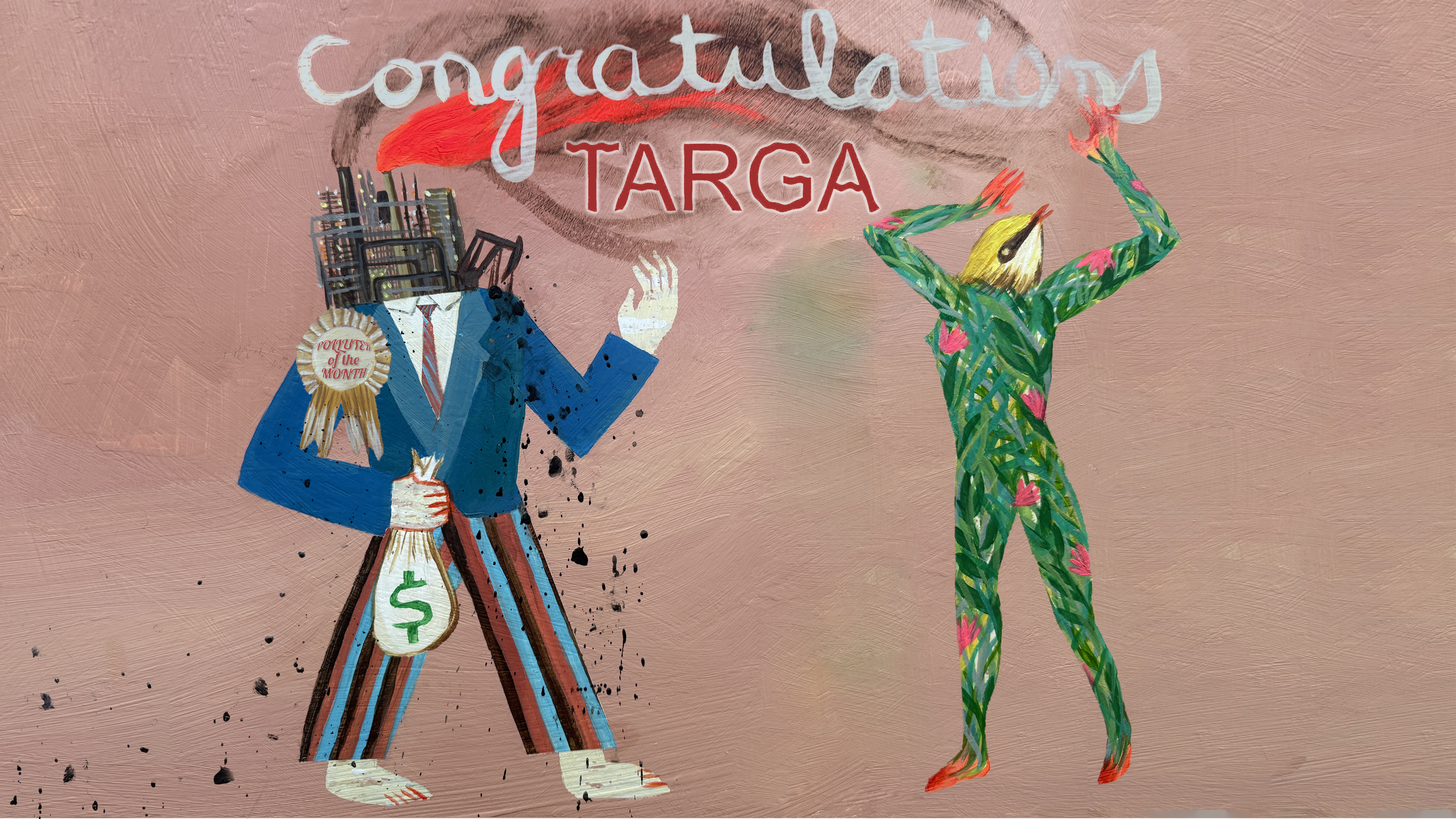
Outside of the energy sector, Targa Resources Corporation might not be a household name, but it is a Fortune 500 company and one of the United States’ largest operators of gas and “natural gas liquids” processing and transportation infrastructure.
The company reports it has “continued voluntary aerial methane surveys at all our processing and gathering assets” and set several greenhouse gas and methane emissions performance goals for itself. That’s good, considering the company’s emissions have repeatedly made headlines for all the wrong reasons over the last five years.
For example, an analysis of Texas state records showed that two of Targa’s gas processing plants, which had a history of releasing hazardous gases above permitted levels hundreds of times, accounted for almost 20% of the state’s total pollution during 2021’s Winter Storm Uri. In freezing weather one year later, its facilities again reported operating issues and related emissions impacts. And the operational issues weren’t limited just to extreme cold: during a June 2023 heatwave, Targa vented more than 500,000 pounds of toxins into the air from 17 reported events.
Elsewhere in 2023, the company was found liable after firing an employee in retaliation for environmental whistleblowing, while Texas regulators opened an investigation into the company after learning it failed to report a major methane emissions incident at its Germania compressor station until it was caught by a satellite image and contacted weeks later by reporters.
The company’s emissions continued making news in 2024. Targa’s New Mexico operations reportedly exceeded its emissions limits in the state 277 times in just the first months of that year, a report found it was one of four companies “likely responsible” for the majority of methane large-release incidents observed by satellites in the Permian Basin over a nine-month period between 2023-2024, and state regulators in New Mexico issued the company a $47.8 million fine for allegations of excess air pollution from one of its gas processing plants near Jal, New Mexico.
Did performance improve in 2025? From what we’ve seen over the past year, if Targa wants to be a leader in reducing its air pollution, it has a long way to go.
Stats
- Pollution events large enough to be visible from space. Satellite data suggests Targa facilities were the source for numerous methane super-emitter events (which the Environmental Protection Agency describes as incidents releasing methane at a rate of at least 100 kilograms per hour). In 2025, at least 16 plumes documented in Carbon Mapper’s publicly accessible data portal appear next to its operations in New Mexico and Texas.
- These included: three incidents observed next to its Driver Gas Plant; two incidents observed next to the company’s Cadillac Compressor Station; two incidents observed near its Salt Draw Compressor Station; one incident documented next to the A-10 Hutt Compressor Station; one incident observed next to its Ranger Compressor Station – 1015; two incidents observed next to Targa’s Midkiff Plant; one incident documented next to the Outback Compressor Station; two incidents observed near its Legacy Gas Processing Plant; one incident recorded next to the Mann Compressor Station; three incidents observed next to its Helios Compressor Station; one incident observed near its Frac Cat Compressor Station; four incidents recorded next to the Pirate State Compressor Station; two incidents observed next to its Achilles Compressor Station; two incidents observed near its Twisted Sister Compressor Station; one incident observed next to the Giddings Compressor Station; three incidents observed near its Red Hills Gas Plant; and three incidents observed next to the company’s Hackberry Compressor Station.
- Evidence filmed on-the-ground. In November 2025, Earthworks visited three Targa midstream sites in the New Mexico Permian and found evidence of pollution at each. These included the Hackberry Compressor Station and Roadrunner Plant in Eddy County, and the Red Hills Gas Plant in Lea County. For the Hackberry and Red Hills facilities, these site visits documented pollution events within weeks of methane plumes observed at these same locations by Carbon Mapper’s Tanager satellite.
- Multiple fines, hundreds of thousands in penalties. Since the start of 2020, Targa and its subsidiaries racked up nearly $5.5 million in penalties for 35 separate air pollution or other environmental offenses, according to Violation Tracker data.
- Taking negative positions on methane and climate action. Thorough analysis of the company’s positions by InfluenceMap gives it a failing grade, stating that the company “takes a negative position on the energy transition” in its calls for fossil gas expansion in both domestic and global markets. In terms of policy, Targa Resources appears to engage on methane-related measures primarily through its industry associations: the company is a member of actively obstructive industry groups, serving on the board of the Texas Oil and Gas Association (TXOGA) and retaining membership to both American Petroleum Institute (API) and the National Propane Gas Association (NPGA). Both API and TXOGA repeatedly opposed the ambition of the federal methane rules, while NPGA recently advocated in favor of the Trump Administration’s proposal to walk back Greenhouse Gas Reporting Program obligations. API is also spearheading the latest permitting reform campaign by cross-sector and fossil fuel industry groups, which aims to significantly weaken key environmental statutes such as the National Environmental Policy Act and Clean Water Act in order to fast-track fossil fuel energy projects.